Billy wallson
Senior DirectorMove past generic beach prints and explore unique vintage maritime wall art ideas that add depth and character.
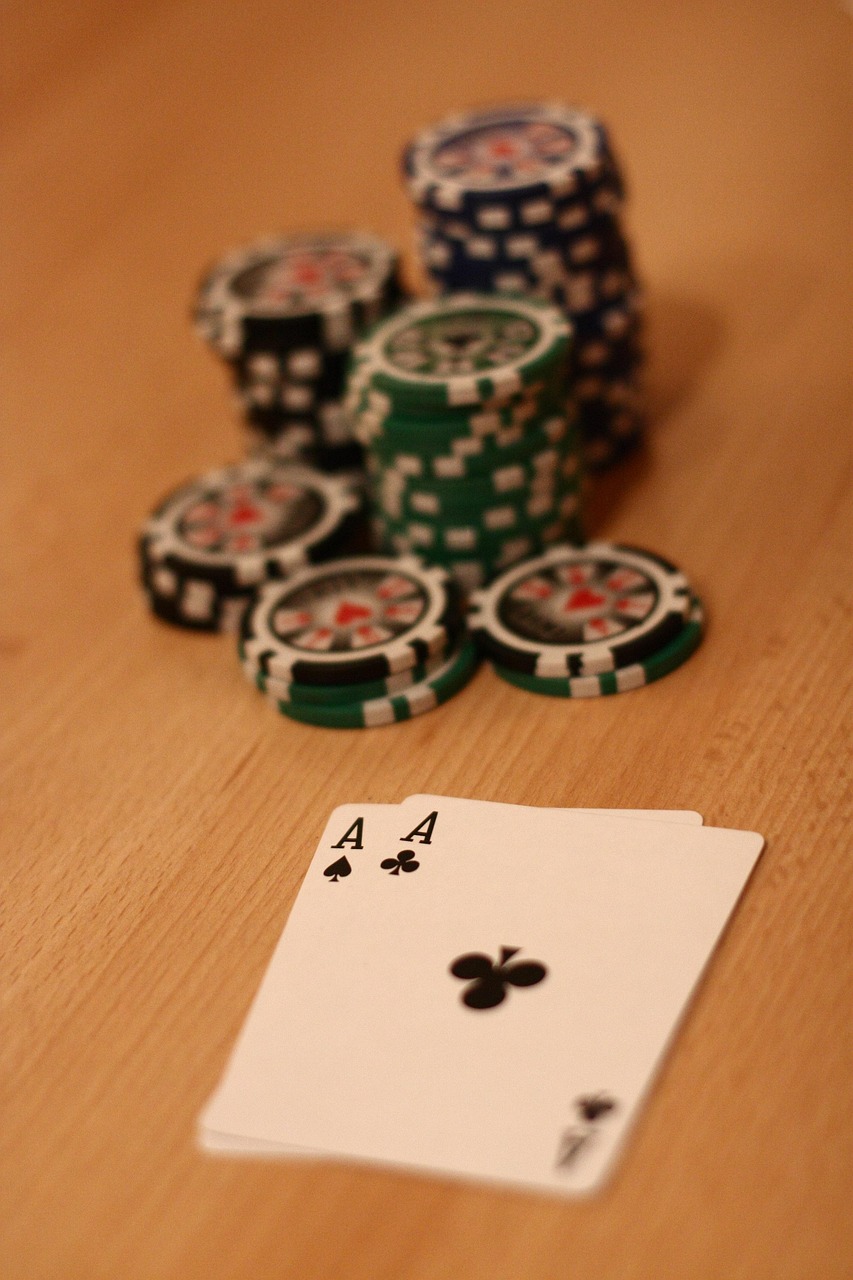
Two players sit down at the same online slot, both with a $200 bankroll. One cashes out $480 after ninety minutes. The other busts in eleven minutes flat and swears the game is rigged. Same RTP, same developer, same math underneath. The difference wasn't luck, or at least not luck alone — it was volatility, and the second player never bothered to understand it before hitting spin.
Volatility is the single most misunderstood concept in online casino play. Everyone talks about RTP like it's the whole story, but RTP tells you what percentage returns to players over millions of spins. Volatility tells you how that return arrives: in a steady trickle of small wins or in rare, violent explosions that can either make your session or end it in minutes. Get this wrong and no amount of "hot streak" intuition will save you.
Volatility (sometimes called variance) describes the distribution of payouts around the expected return. A low-volatility slot behaves like a slow metronome. You'll see frequent wins, many of them smaller than your bet, and your balance drifts downward in a gentle, predictable slope. A high-volatility slot is the opposite: long barren stretches punctuated by payouts that can be hundreds or thousands of times your stake.
Here's a concrete comparison. Starburst by NetEnt runs at roughly 96.1% RTP with very low volatility. Its maximum win is capped at 50,000 coins, and you'll trigger the expanding wilds constantly. San Quentin xWays from Nolimit City sits at around 96.05% RTP — nearly identical return — but its max win is 150,000x your stake. That's a 3,000x difference in upside from a game with the same theoretical payout. Volatility is what bridges that gap.
The practical takeaway: RTP is a long-run average that you will never personally experience. Volatility is what you will feel, spin by spin, in your actual session.
This is where most players go wrong. They pick games based on theme or a YouTube clip of someone hitting a massive multiplier, then wonder why their $50 deposit evaporates in five minutes.
A rough rule of thumb that works well in practice: your bankroll should be at least 100 to 200 times your average bet on a high-volatility slot. If you're betting $1 per spin on something like Money Train 4 (roughly 96.5% RTP, extreme volatility), you'd want $150 to $200 set aside just to survive the dry spells long enough to reach a bonus feature. On a low-volatility game like Blood Suckers (98% RTP, low variance), $40 to $50 at the same stake is usually plenty for a decent session.
None of this changes the house edge. It changes your probability of surviving long enough to enjoy the variance you signed up for.
Slot players aren't the only ones who need to think this way. In poker, variance is just as real, especially in tournament formats. A solid MTT player with a genuine edge will still experience downswings of 50 to 100 buy-ins over thousands of tournaments. That's not a leak — that's the mathematics of a game where you finish in the money maybe 15-20% of the time.
Cash game players face lower variance but still need 20-30 buy-ins for no-limit hold'em to absorb normal swings. The mistake amateurs make is identical to the slot player's mistake: they move up in stakes because they won a few sessions, then get obliterated by a variance spike they weren't bankrolled to handle. It is also worth checking สล็อต before deciding.
On the betting side, volatility looks different again. A -110 point spread bet wins about 52.4% of the time if you have a real edge, which means losing streaks of six or seven bets in a row are statistically routine, not a sign that your model is broken. Meanwhile, a parlay paying 10-to-1 is pure high-variance gambling dressed up as analysis. If you're staking 20% of your roll on three-leg parlays, you're playing a slot machine with extra homework.
Reputable providers publish volatility ratings, usually as a 1-5 scale, and many casinos display them directly on the game tile. But you can also infer it from a few signals:
Avoid playing games where you don't know the volatility. Anonymously "high paying" slots that don't disclose their math are usually a sign the operator doesn't want you doing the math — which is a red flag on its own.
The seductive thing about high-volatility games is the screenshots. Social media is flooded with 5,000x wins that represent the 0.001% tail of the distribution. Nobody posts the 800 spins that missed the bonus. If your entire perception of a game comes from highlight reels, you're calibrating your bankroll against fiction.
The healthier approach is to pick volatility to match your intent, not your fantasy. Want two hours of entertainment on a fixed budget? Low or medium volatility. Want a shot at a life-changing multiplier with a disposable bankroll? High volatility is fine, as long as the money you're feeding it is truly disposable. What kills bankrolls isn't variance itself — it's players who don't realize they signed up for it.
Smart iGaming decisions start before the first spin, the first hand, or the first bet slip. Understanding volatility is the difference between playing a game you understand and being played by a game you don't. Pick games that fit your bankroll and your expectations, or adjust one of those two things until they line up. The math doesn't negotiate, but it does reward players who bother to read it.
From table lamps shaped like beacons to framed prints of famous lights, lighthouse decor offers endless ways to brighten a nautical home.

From ship's lanterns to lighthouse lamps, discover how vintage maritime lighting can transform your home's atmosphere.
Old nautical charts offer beauty, history, and a window into how sailors once understood the sea.

Natural materials bring texture and warmth to nautical interiors, and they are easier to work with than you might think.

Move past generic beach prints and explore unique vintage maritime wall art ideas that add depth and character.

From table lamps shaped like beacons to framed prints of famous lights, lighthouse decor offers endless ways to brighten a nautical home.

Copyright © 2026 The Brass Bell. All Rights Reserved.




Roseanne Williams
Oct 4, 2026 ReplyDiscover why the ship's bell remains one of the most beloved and versatile pieces of maritime decor for the modern home.