Billy wallson
Senior DirectorMove past generic beach prints and explore unique vintage maritime wall art ideas that add depth and character.
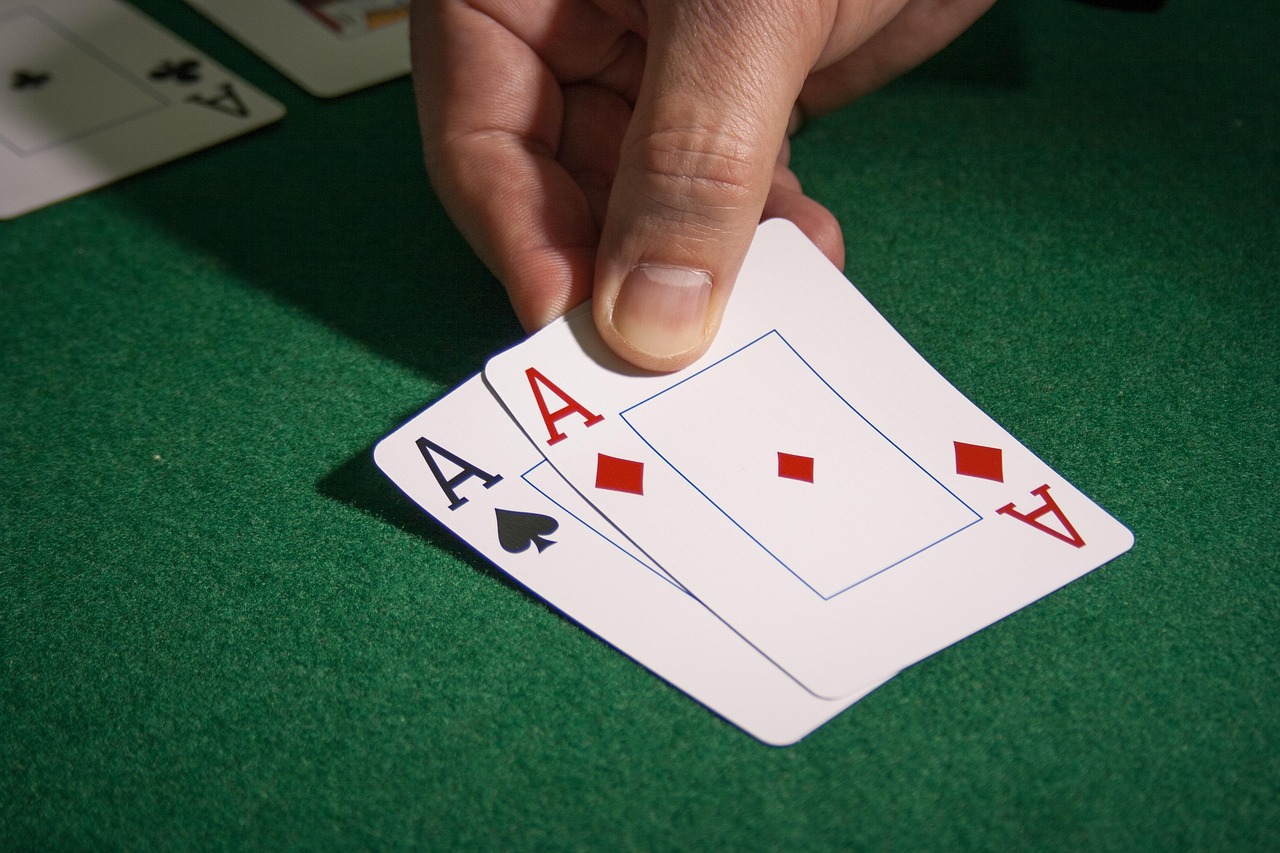
You sit down at a slot machine. The reels spin, symbols blur, and for a split second you're certain the jackpot is about to hit. Your heart races. Then the reels stop on a near-miss, and you instinctively hit spin again. Ever wonder why? It’s not random—it’s designed. The same goes for that twitch you saw at the poker table. The difference between a winning session and a losing one often comes down to understanding the psychology baked into the games and the players across from you.
This isn't about luck or superstition. It's about the real cognitive forces—variable rewards, near-misses, and decision fatigue—that shape every bet you place. Whether you're spinning slots, grinding cash games, or betting on sports, mastering these mental traps is the first step to beating them.
Slot machines are the most profitable product in any casino, and it's not because they're complicated. It's because they exploit a fundamental quirk in human learning: variable ratio reinforcement. You don't know when you'll win, so you keep playing. B.F. Skinner proved this with pigeons in the 1950s—animals pressed a lever more often when rewards came randomly than when they came predictably.
Modern slots take this further with near-miss engineering. A study from the University of Waterloo found that near-misses activate the same brain regions as actual wins, but without the payout. That's why a slot might show two cherries and a lemon 40% of the time—it feels like you almost won, so you spin again. The machine isn't just random; it's choreographed.
Add in losses disguised as wins (LDWs)—where a spin returns less than your bet but plays a winning sound and animation—and your brain registers a reward even when you've lost money. In a typical session, LDWs can make up 30% of your total spins. Poker doesn't have spinning reels, but the same principle applies: you remember the bad beats and the near-misses more vividly than the routine folds, which skews your risk assessment.
Poker is a game of incomplete information, but human bodies leak data constantly. I'm not talking about Hollywood-style twitches. Real tells are subtler and rooted in baseline behavior. The key is to establish how a player acts when they're not in a hand, then watch for deviations.
But here's the catch: you have tells too. The best players record their sessions and watch for their own patterns. You'd be shocked how often you rub your neck when bluffing.
If you think slots are manipulative, look at sports betting apps. They use the same variable reward schedule, but with a social twist. Cash-out buttons let you lock in a profit before the game ends—a feature that increases engagement by over 20% in some studies. Why? Because it gives you a sense of control over an uncontrollable outcome.
Then there's the illusion of skill. In a 2019 study published in Judgment and Decision Making, researchers found that bettors who picked underdogs felt more confident than those who picked favorites—even though underdogs lose more often. The act of choosing feels like skill, so you keep betting. The sportsbook doesn't care who wins; it cares that you keep clicking. Plenty of people rely on mahjong slot for this kind of information.
Casinos use similar tricks. Free drinks, upbeat music, and no clocks on the walls are well-known. But less obvious is the slot machine layout. Machines near the casino entrance have lower payout percentages than those in the back. Why? Because new arrivals are more likely to play loose and fast. The back machines, where seasoned players go, often have better odds.
You can't change the math, but you can change your behavior. Here are three concrete methods to keep your head above water.
For sports betting, the tactic is simpler: never bet on your favorite team. Emotional attachment clouds judgment. I've seen lifelong fans bet against their own team just to hedge their emotions. It works.
Here's the uncomfortable truth: every game in the casino or on the app is designed to separate you from your money. That doesn't mean you can't enjoy them. It means you need to treat them as entertainment, not income. The average slot machine holds about 2–8% of all money wagered. Over 1,000 spins at $1 each, that's a guaranteed $20–$80 loss. You wouldn't pay $80 for a movie ticket, but that's exactly what you're doing if you play without a plan.
Poker is different—there's a skill element. But even the best players only win 55–60% of their sessions. The edge is razor-thin. The pros who survive are the ones who manage their psychology better than their cards.
So next time you sit down, ask yourself one question: Am I playing to win, or am I playing because the machine knows how to make me feel? The answer will tell you more about your session than any tell or hot streak ever could.
Understanding the psychology of iGaming doesn't ruin the fun—it makes you a sharper player. You'll spot the near-miss for what it is, recognize your own tells before your opponent does, and walk away when the math turns against you. The house always has an edge, but you don't have to hand it your whole bankroll. Play smart, play aware, and never forget that the best bet is the one you don't make when you're tilted.
From table lamps shaped like beacons to framed prints of famous lights, lighthouse decor offers endless ways to brighten a nautical home.

From ship's lanterns to lighthouse lamps, discover how vintage maritime lighting can transform your home's atmosphere.
Old nautical charts offer beauty, history, and a window into how sailors once understood the sea.

Natural materials bring texture and warmth to nautical interiors, and they are easier to work with than you might think.
Move past generic beach prints and explore unique vintage maritime wall art ideas that add depth and character.

From table lamps shaped like beacons to framed prints of famous lights, lighthouse decor offers endless ways to brighten a nautical home.

Copyright © 2026 The Brass Bell. All Rights Reserved.




Roseanne Williams
Oct 4, 2026 ReplyDiscover why the ship's bell remains one of the most beloved and versatile pieces of maritime decor for the modern home.