Billy wallson
Senior DirectorOld nautical charts offer beauty, history, and a window into how sailors once understood the sea.
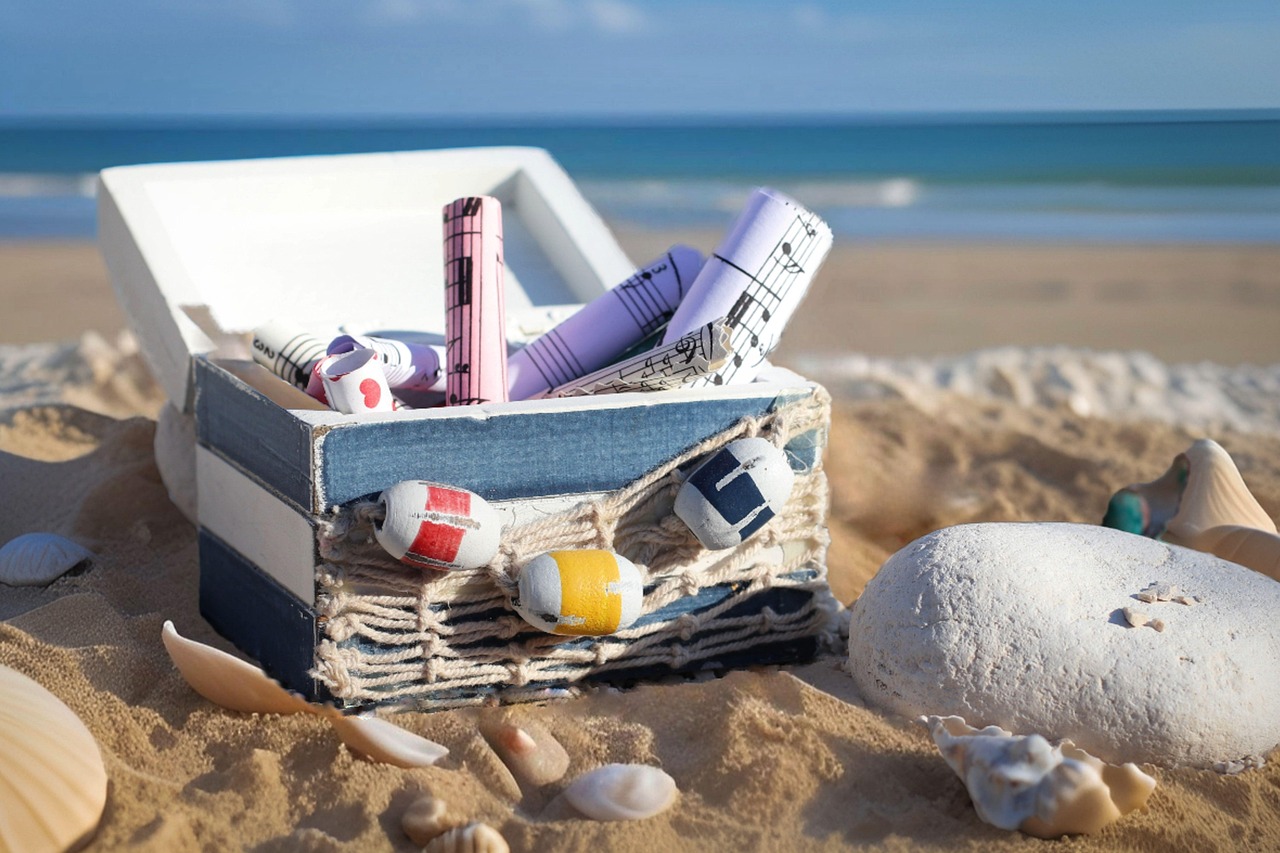
Walk along any beach after a storm and you will see the raw materials of coastal decor scattered at your feet: silvered driftwood, frayed rope, smooth stones, and fragments of weathered timber. These humble objects have become central to the nautical home aesthetic, and for good reason. They are honest, tactile, and inexpensive, and they carry the muted palette of the shore into interior spaces without the self-consciousness of a themed room. Used well, they make a home feel calm, grounded, and connected to the natural world.
The trick with natural materials is restraint. A single piece of driftwood displayed on a console can be sculptural and striking. A dozen pieces crammed onto a shelf can look like a yard sale. The goal is to let each object breathe, and to mix textures rather than repeat them. Combine rough rope with smooth glass, or pair a weathered timber frame with crisp white linen. The contrast is what makes the materials sing.
Driftwood comes in an enormous range of shapes, from slender branches to gnarled roots and broad planks. Before bringing a piece indoors, clean it thoroughly. A scrub with a stiff brush and a solution of warm water and mild soap will remove sand and salt, and a few days in a dry, well-ventilated space will ensure it is fully dry. Some collectors apply a clear matte sealant to prevent shedding, though purists prefer to leave the wood as found.
Weathered timber, often salvaged from old fences, barns, or boats, offers a similar aesthetic with more structural possibility. A length of greyed board can become a shelf, a coat rack, or the frame of a mirror. When working with salvaged wood, check for splinters, nails, and insect damage before you begin. A light sanding will smooth rough edges without erasing the character that makes the wood appealing in the first place.
Rope is perhaps the most versatile nautical material of all. A coil of manila or sisal rope can serve as a doorstop, a curtain tieback, or the base of a lamp. Braided cotton rope is softer and better suited to indoor use, while tarred hemp has a darker, more traditional look. If you are handy, learning a few basic knots, such as the monkey's fist or the Turk's head, opens up a world of small decorative projects.
Rope also works well as a unifying element. Wrapping the handles of a plain wooden tray, edging a mirror frame, or replacing the cord on a lamp with braided rope can tie disparate objects together into a coherent look. The key is to use rope where it serves a purpose, whether structural or visual, rather than gluing it to everything in sight.
Above all, let the materials guide you. Driftwood, rope, and weathered timber are not precise or uniform, and that is their beauty. A slightly crooked shelf or an uneven coil of rope feels human and lived-in. In a world of mass-produced perfection, these small irregularities are a quiet luxury, and they are exactly what makes a coastal home feel like a place where the sea has been welcomed in.

From ship's lanterns to lighthouse lamps, discover how vintage maritime lighting can transform your home's atmosphere.

From table lamps shaped like beacons to framed prints of famous lights, lighthouse decor offers endless ways to brighten a nautical home.
Move past generic beach prints and explore unique vintage maritime wall art ideas that add depth and character.

Discover why the ship's bell remains one of the most beloved and versatile pieces of maritime decor for the modern home.

Old nautical charts offer beauty, history, and a window into how sailors once understood the sea.

Barometers, compasses, and sextants bring scientific elegance and a warm metallic glow to shelves and walls.

Copyright © 2026 The Brass Bell. All Rights Reserved.


Roseanne Williams
Sep 1, 2026 ReplyNatural materials bring texture and warmth to nautical interiors, and they are easier to work with than you might think.