Billy wallson
Senior DirectorDiscover how the humble anchor motif can ground your home decor with history, texture, and a touch of the sea.
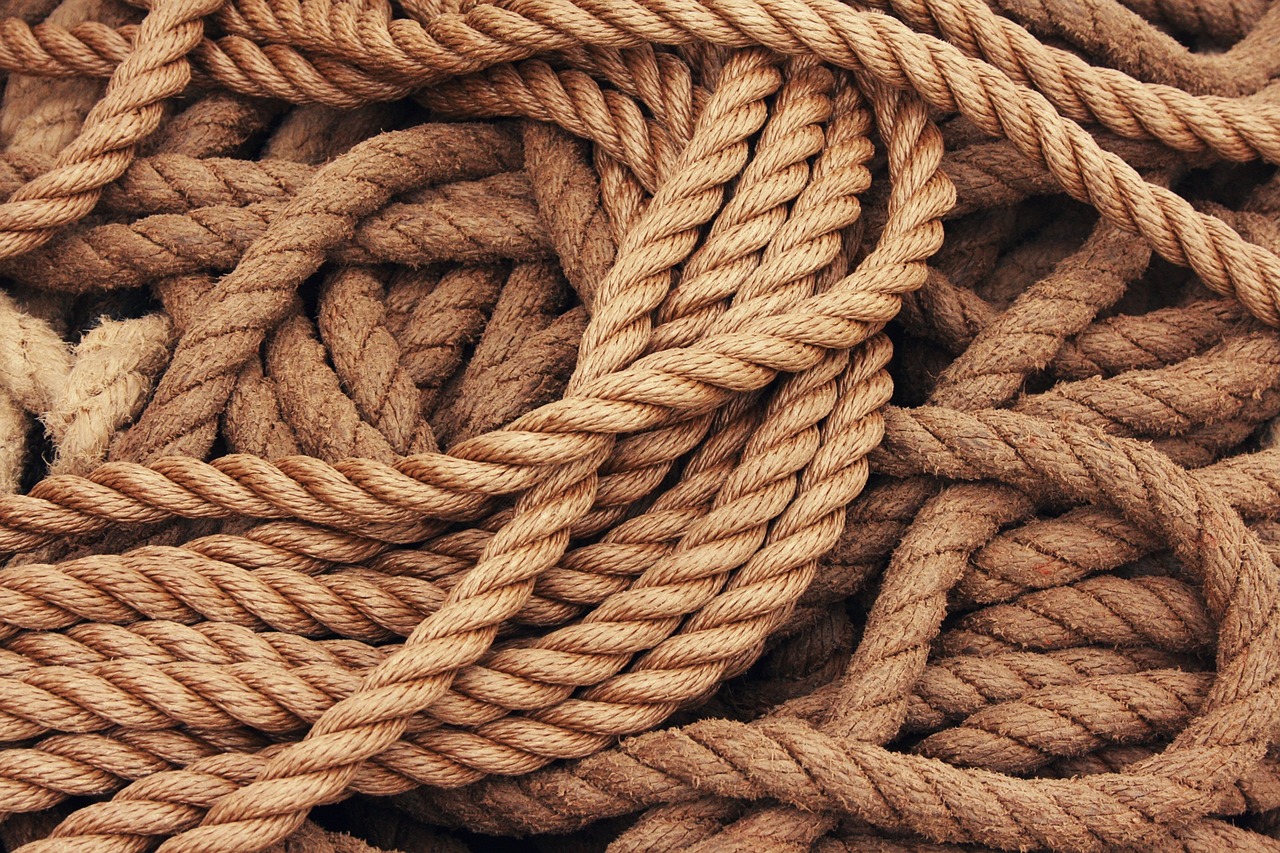
Rope is one of the most humble yet essential materials in maritime history. It held sails, secured anchors, and kept sailors safe. Today, vintage rope work—especially decorative knots and functional pieces like bell ropes and fenders—has found a new life as a beloved element of nautical decor. The texture, the patina, and the sheer craftsmanship of a well-tied knot can bring warmth and authenticity to any room.
Collecting vintage rope work is a rewarding pursuit, but displaying it well requires a bit of thought. You want to honor the piece's history while making it work in a modern home. Here are some ideas to get you started.
Not all knots are created equal. The most common decorative knots you will find in vintage collections include the Turk's head (a continuous knot often used as a napkin ring or handle grip), the monkey's fist (a ball-like knot traditionally used as a weight for heaving lines), and the star knot, which is often used as a decorative button or toggle. Each has its own character and scale.
Functional rope work is equally collectible. Bell ropes, for example, are often made from hemp or manila and feature a series of knots that provide grip and decoration. Vintage fenders—those woven or knotted bumpers that protect a boat's hull—can be surprisingly sculptural and make excellent wall hangings or even table bases. Look for pieces with tight, even tension and a rich, aged color; these are signs of quality and care.
When you are hunting for vintage rope work, check for signs of rot or excessive fraying. A little wear is fine—it adds character—but you want the piece to be structurally sound. If you plan to hang it, make sure any loops or attachments are secure.
One of the simplest and most striking displays is a shadow box or glass cloche. A single monkey's fist or a small Turk's head placed under glass becomes a museum-worthy object. You can group several knots of different sizes and colors in a shallow wooden tray or a vintage printer's drawer for a curated, collected look.
For larger pieces, such as a bell rope or a fender, consider hanging them from a wall hook or a vintage coat rack. A bell rope can be draped over a mirror frame or a door handle, adding a tactile element that invites touch. A large fender can be mounted on a sturdy wall as a sculptural piece, especially if it has a beautiful, weathered patina.
Rope work also shines in the kitchen or dining room. A Turk's head knot makes a charming napkin ring, and a small monkey's fist can be used as a curtain tieback. For a more dramatic effect, suspend a length of vintage rope from the ceiling and attach a few decorative knots at varying heights—a mobile of sorts that celebrates the art of the knot.
Finally, don't overlook the power of a simple coil. A well-coiled length of vintage rope, hung on a peg or placed in a woven basket, is a classic nautical image that never goes out of style. It speaks of readiness and respect for the sea, and it brings a cozy, textural element to any corner of your home.

Discover how the humble anchor motif can ground your home decor with history, texture, and a touch of the sea.

Barometers, compasses, and sextants bring scientific elegance and a warm metallic glow to shelves and walls.
From decorative Turk's head knots to functional bell ropes, learn how to showcase vintage rope work in your home.

Maritime signal flags offer a burst of color and coded meaning—here's how to use them tastefully in your home.

Discover how the humble anchor motif can ground your home decor with history, texture, and a touch of the sea.

Maritime signal flags offer a burst of color and coded meaning—here's how to use them tastefully in your home.

Copyright © 2026 The Brass Bell. All Rights Reserved.


Roseanne Williams
Oct 2, 2026 ReplyFrom decorative Turk's head knots to functional bell ropes, learn how to showcase vintage rope work in your home.